March 29, 2019
UNESCO Joins Power of Zero to Help Children Use the Internet Safely
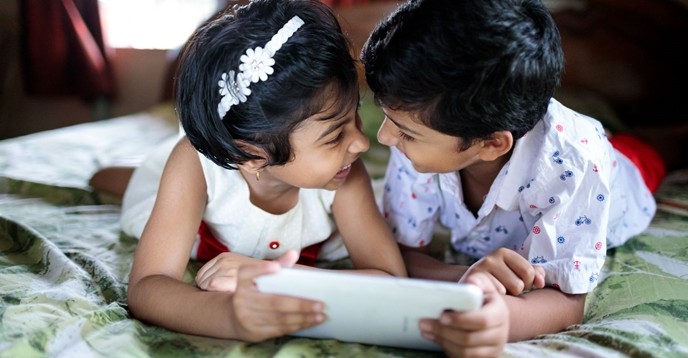
Classroom resources that teach important life skills to help children safely and constructively engage online have been released as part of the launch of Power of Zero, a global campaign calling for zero violence, zero hate and zero bullying from age zero.
The anti-cyberbullying campaign, led by US-based NGO ‘No Bully’, seeks to promote digital civility, bringing together key partners, including UNESCO, Microsoft and Facebook, to provide early educators and families with books, games and learning materials to prepare children for the technology and connectivity they will experience in their lives.
The Power of Zero initiative represents the first global collaborative campaign to address the new reality that young children have access to digital devices like smartphones and tablets from the earliest years.
Chief of UNESCO’s Section for Health and Education, Christopher Castle, said bullying, including online bullying, involves repeated threats, criticism or unkind comments or images that are sent using information and communication technology, such as mobile phones, email and social media, including chat rooms and networking sites.
“Bullying is a serious global problem. UNESCO’s Behind the Numbers report found that children who are frequently bullied are nearly three times more likely to feel like an outsider at school and more than twice as likely to miss school as those who are not frequently bullied. Bullying also has a significant impact on children’s mental health, quality of life and risk behaviours,” Mr Castle said.
“UNESCO is proud to join No Bully and other partners for the Power of Zero campaign, a collaborative initiative aimed at reshaping early learning for a connected world. It will help to ensure all children have the foundation they need to fulfil their right to a good quality education and a successful future.”
The classroom resources (link is external) were developed by Scholastic and are available free to download. They focus on positive digital behaviours, including lessons around why words matter, managing emotions, and finding kindness online. Further learning materials will be released in the coming months, focused on the twelve ‘Powers for Good’ (link is external), core abilities that children need in the digital age, such as inclusivity, critical understanding, respect and creativity.

SHARE THIS ARTICLE VIA

Related Articles
Punishment Doesn’t Stop Bullying — What Actually Works
Every school has tried it. A student causes harm, a consequence follows. For a few days, things seem quiet again. Until they aren’t. I grew up in the standard education system in India, went to a state-board school, where student discipline, respect for authority, and deterrence remained constant themes. School authorities reprimanded Inappropriate actions, and [...]
Writing Without Permission: How the Internet Democratised Everything
As a teenager, I rushed home from school, turned on my computer, and spent my afternoons until bedtime learning to build my blog. Blogging had taken off in the mid-to-late 2000s, and I was in secondary school at the time. From around the age of 14, I knew I wanted to become a journalist and [...]
We’re bringing the Superpowers Program to Colombia
We are piloting our newest program - in Colombia! Superpowers for Early Primary brings together social-emotional learning (SEL) and digital citizenship into a single, integrated curriculum for early primary school children. Teachers in 10 to 12 public schools in and around Bogotá begin teaching in January 2027 and the program will run across the full [...]