June 20, 2019
Is Screen Time Hurting My Child?
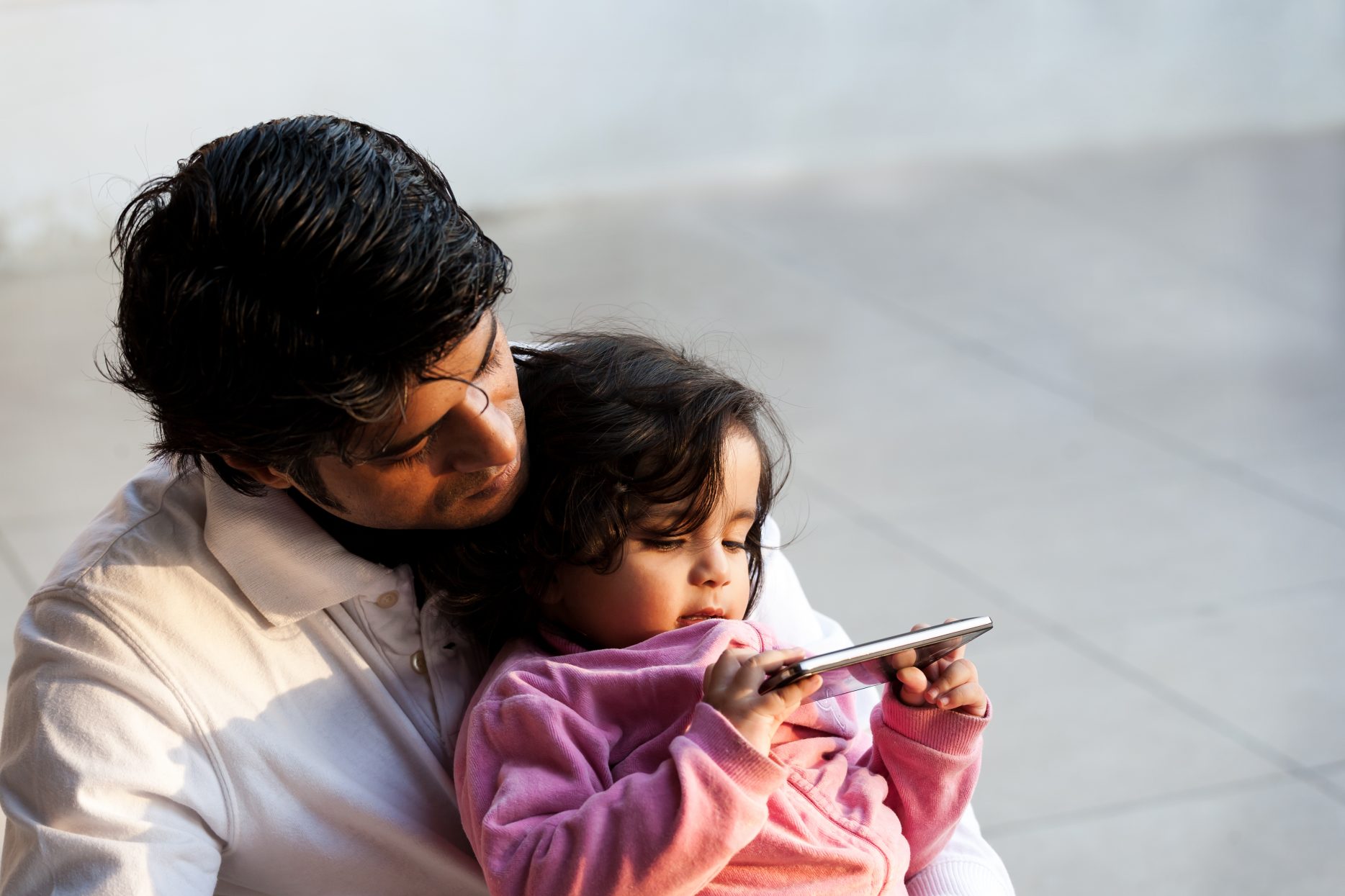
- Be physically active several times a day in a variety of ways, particularly through interactive floor-based play; more is better. For those not yet mobile, this includes at least 30 minutes in prone position (tummy time) spread throughout the day while awake.
- Not be restrained for more than 1 hour at a time (e.g. prams/strollers, high chairs, or strapped on a caregiver’s back). Screen time is not recommended. When sedentary, engaging in reading and storytelling with a caregiver is encouraged.
- Have 14–17h (0–3 months of age) or 12–16h (4–11 months of age) of good quality sleep, including naps.
- Spend at least 180 minutes in a variety of types of physical activities at any intensity, including moderate-to-vigorous-intensity physical activity, spread throughout the day; more is better.
- Not be restrained for more than 1 hour at a time (e.g., prams/strollers, high chairs, or strapped on a caregiver’s back) or sit for extended periods of time. For 1-year-olds, sedentary screen time (such as watching TV or videos, playing computer games) is not recommended. For those aged 2 years, sedentary screen time should be no more than 1 hour; less is better. When sedentary, engaging in reading and storytelling with a caregiver is encouraged.
- Have 11-14 hours of good quality sleep, including naps, with regular sleep and wake-up times.
- Spend at least 180 minutes in a variety of types of physical activities at any intensity, of which at least 60 minutes is moderate- to vigorous intensity physical activity, spread throughout the day; more is better.
- Not be restrained for more than 1 hour at a time (e.g., prams/strollers) or sit for extended periods of time. Sedentary screen time should be no more than 1 hour; less is better. When sedentary, engaging in reading and storytelling with a caregiver is encouraged.
- Have 10–13h of good quality sleep, which may include a nap, with regular sleep and wake-up times.

SHARE THIS ARTICLE VIA

Related Articles
Punishment Doesn’t Stop Bullying — What Actually Works
Every school has tried it. A student causes harm, a consequence follows. For a few days, things seem quiet again. Until they aren’t. I grew up in the standard education system in India, went to a state-board school, where student discipline, respect for authority, and deterrence remained constant themes. School authorities reprimanded Inappropriate actions, and [...]
Writing Without Permission: How the Internet Democratised Everything
As a teenager, I rushed home from school, turned on my computer, and spent my afternoons until bedtime learning to build my blog. Blogging had taken off in the mid-to-late 2000s, and I was in secondary school at the time. From around the age of 14, I knew I wanted to become a journalist and [...]
We’re bringing the Superpowers Program to Colombia
We are piloting our newest program - in Colombia! Superpowers for Early Primary brings together social-emotional learning (SEL) and digital citizenship into a single, integrated curriculum for early primary school children. Teachers in 10 to 12 public schools in and around Bogotá begin teaching in January 2027 and the program will run across the full [...]